Adadelta
26 December

A Very Short Introduction of AdaDelta

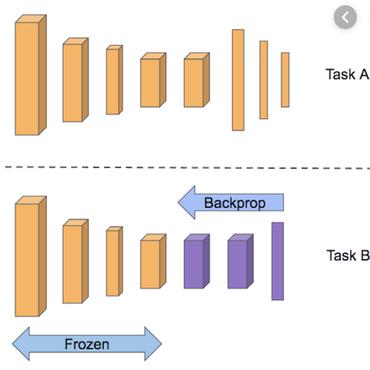
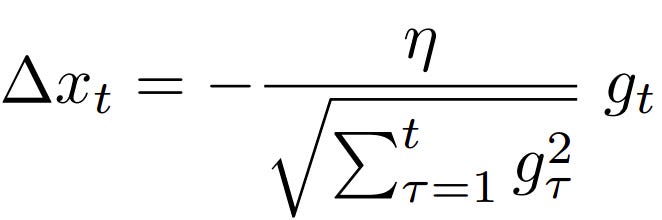
AdaDelta is an adaptive learning rate optimisation algorithm introduced by Matthew D. Zeiler in 2012 as an enhancement to AdaGrad. It is widely used for its efficiency, stability, and ability to address challenges like diminishing learning rates and gradient vanishing, particularly in sparse data tasks.
LSTM
25 December

A Very Short Introduction of Long Short-term Memory Networks

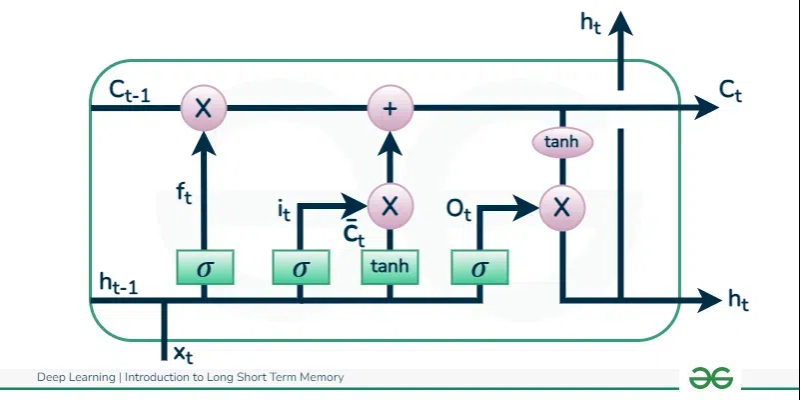
Long Short-Term Memory (LSTM) networks, introduced in 1997 by Sepp Hochreiter and Jürgen Schmidhuber, revolutionised sequential data modelling by overcoming the limitations of traditional RNNs. With applications in speech recognition, NLP, and time-series analysis, LSTMs have become essential for handling long-term dependencies in data.

GRU
25 December

A Very Short Introduction of Gated Recurrent Unit

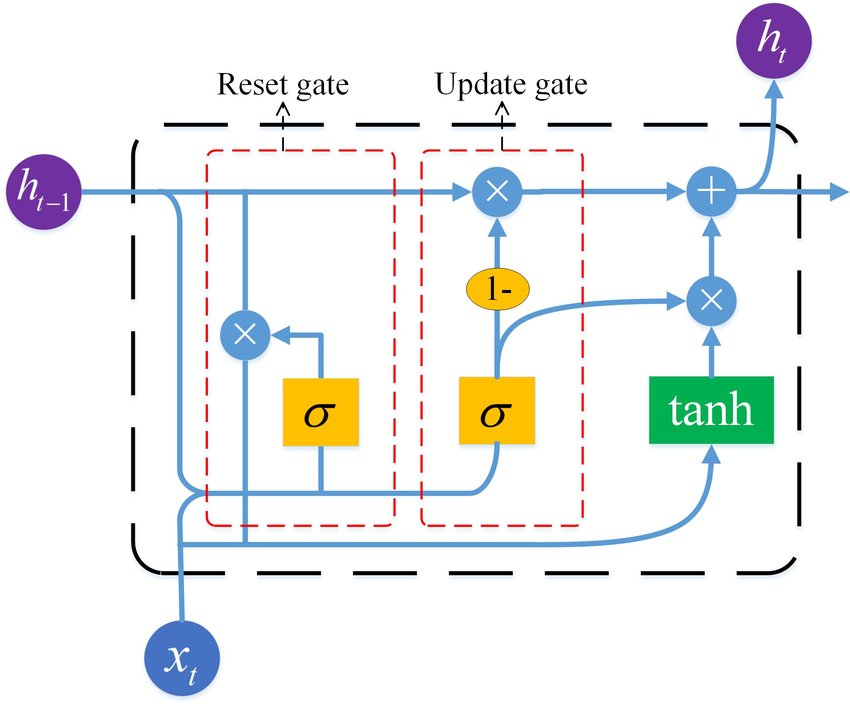
Gated Recurrent Units (GRUs), introduced in 2014 by Kyunghyun Cho and his team, are streamlined alternatives to LSTMs, designed for handling sequential data with greater computational efficiency. GRUs excel in tasks like speech recognition, time-series prediction, and natural language processing, making them ideal for real-time applications.

Sparse Autoencoders
25 December

A Very Short Introduction of Sparse Auto-encoders

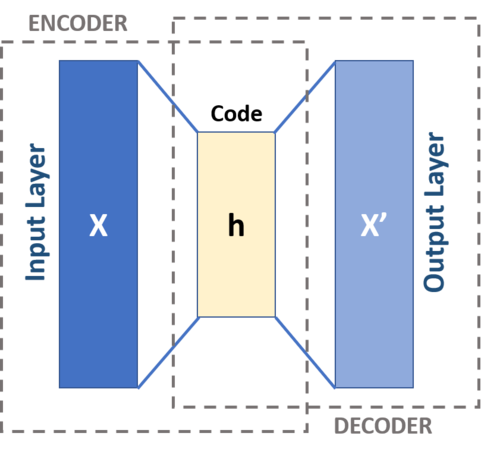
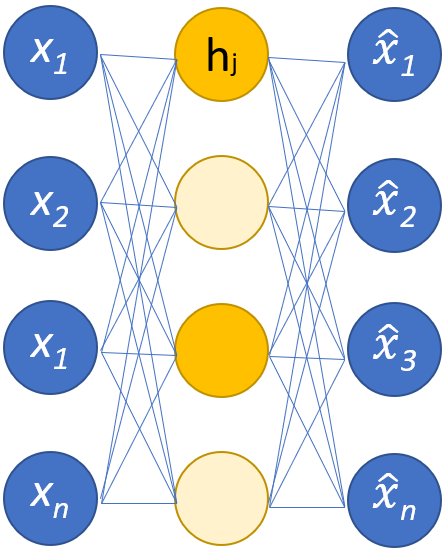
Sparse autoencoders, introduced in the 2000s by researchers like Andrew Ng, are neural networks that extract essential features from high-dimensional data while minimising redundancy. They are applied in feature engineering, image compression, and pattern recognition, benefiting industries such as healthcare, finance, and government analytics.

SARSA
25 December

A Very Short Introduction of SARSA Algorithm

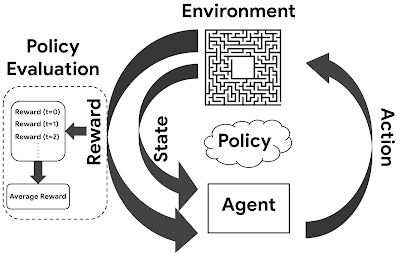
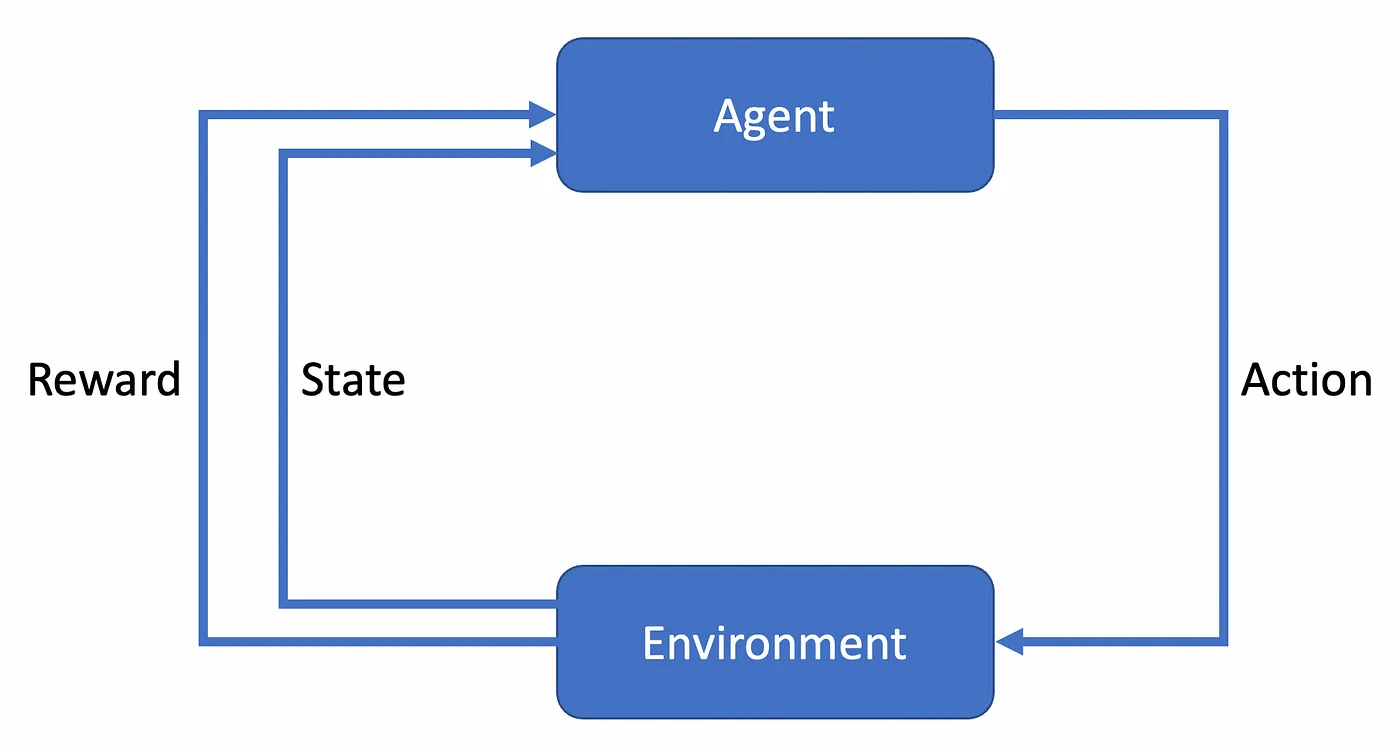
The SARSA algorithm, introduced by Richard Sutton and Andrew Barto in the early 1990s, is an on-policy reinforcement learning method that learns policies in real-time by evaluating state-action transitions. Its safe exploration and adaptability make it ideal for dynamic and complex environments, such as traffic systems and rescue operations.